
In two short years, we’ve seen generative AI go from an experimental sandbox to a production-ready content engine. We’ve also seen channels explode, budgets tighten, and the phrase of 2025 become ‘content flooding.’ It’s not a stretch to describe it as an ‘everything, everywhere, all at once’ moment.
This year, we watched our customers navigate this shift and recognized something critical: the bottleneck isn’t necessarily AI or more deliverables, it’s the process debt underneath it. Globaledit was built to manage content production at scale, and in 2025 we evolved the platform to become the train tracks for the new production paradigm we see ahead of us.
Connect to Anything, Automate Everything
As the creative and technology landscape evolves, platforms must be agile. They need to connect easily with your tech stack and inform the tracking, communication, and project management tools your company uses.
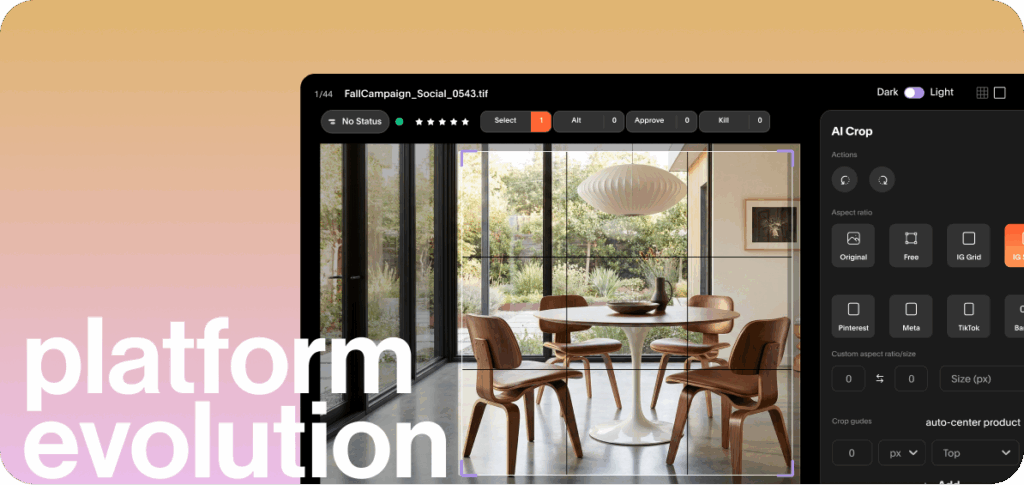
This year, we rebuilt our integration infrastructure from the ground up, making it frictionless to connect Globaledit to any product in your stack and align workflows across teams. Users can build their own integrations via Zapier or work with our product team to configure custom integrations to internal or external platforms. This update fundamentally makes it easier to share production updates across systems and teams, while also setting up automations that take timelines from hours to seconds.
“A major request from our Executive Producer was access to real-time data. Globaledit is the core of our asset lifecycle, and before we were manually trying to track all updates for him in Airtable. Let me tell you, it was brutal. We built this amazing integration between Globaledit and Airtable, and now, any status change or upload in Globaledit automatically syncs to his spreadsheet. Our EP gets a live view of every asset and can have planning conversations with non-creatives who just want information and data, and we never have to touch the spreadsheet.”
Jillian Patrick, Sol de Janeiro
Visit our integration page for prebuilt options or watch our product keynote for a live demo.
A New Interface that Functions Like You Think
Ease of use not only improves the day-to-day experience for core users, it’s also essential for adoption and success as teams scale.
This year we unveiled our new interface, designed to function with the simplicity you expect from your favorite consumer apps while maintaining the intuitive control required across production.
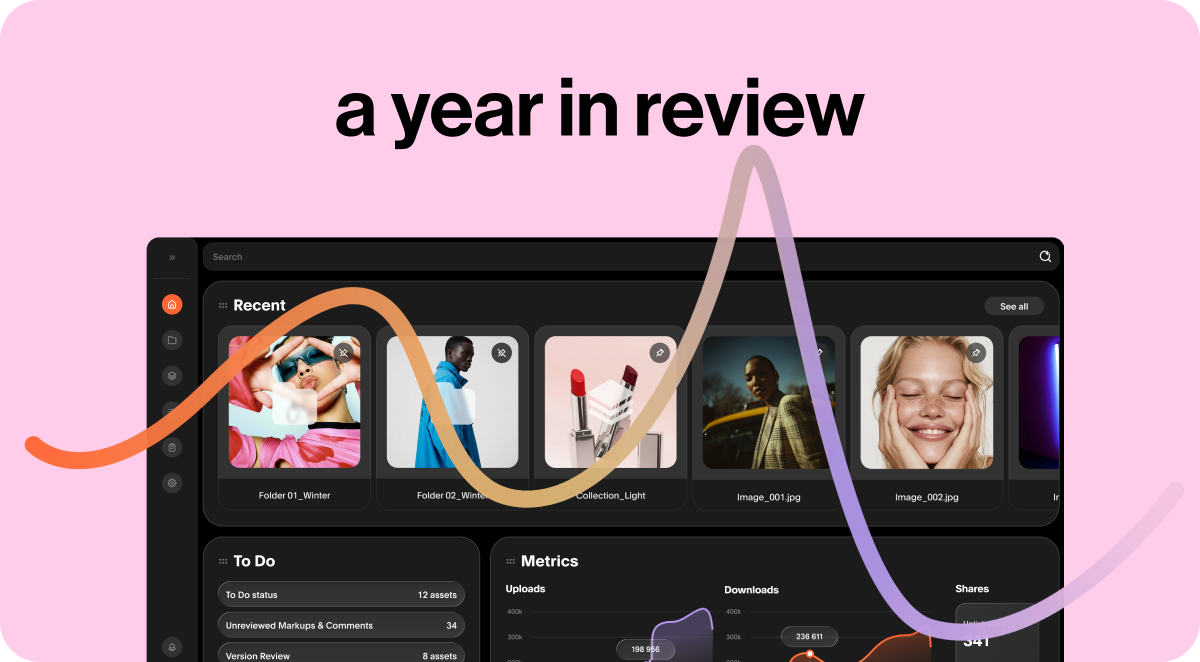
The new design maximizes asset space and lets users customize views and asset card details based on their needs. We introduced light and dark modes and expanded options for reviewing asset history, version tracking, and new views for comparing different comps. The redesigned dashboard surfaces activity, metrics, and key tasks so users can plan and prioritize projects without switching products.
We put serious thought into every button placement, intending for the product to function as an extension of how you think. Preview what’s coming in our product keynote.
Introducing an AI Engine for E-comm Teams
AI opens up countless possibilities, allowing teams to do more with less and do it faster. For e-commerce teams, this means cost savings, accelerated production cycles, and the ability to create a wider range of premium content at scale. While this brings a huge advantage, it also necessitates a centralized space to organize all the iterations created with genAI.
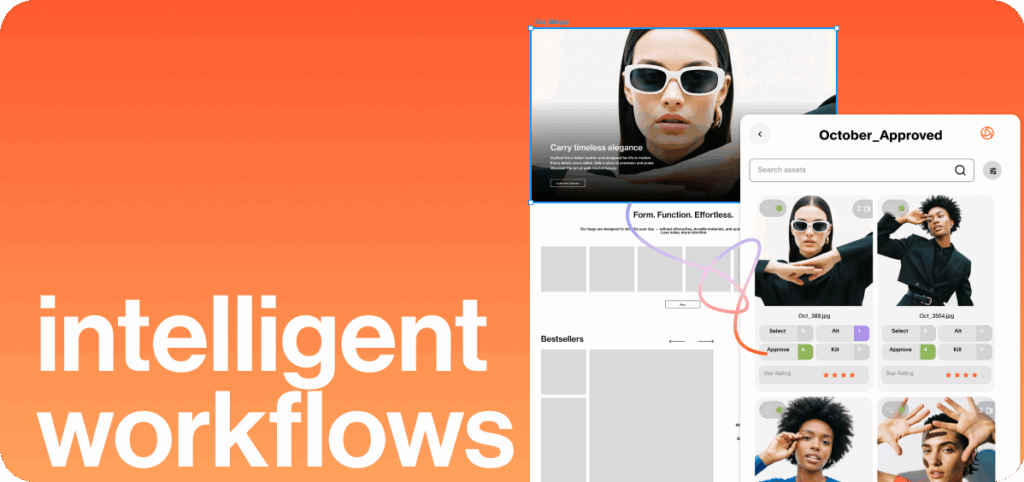
To support teams bringing AI into their e-comm processes, we partnered with Caimera to deliver a unified solution for managing the entire content lifecycle. By combining Caimera’s advanced generation models with Globaledit’s asset library and workflow management, users can launch generations directly from their Globaledit library, manage source selection, style prompting, and generation in Caimera, and sync AI images and videos directly back to their designated Globaledit workspace for post-production, final approval, and direct publication on their site – all in a single, uninterrupted workflow. Read more here.
Helping Marketing Teams Get What They Need, When They Need It
The handoff between creative and marketing is a common connection point for our users. While the platform has always supported sharing finalized content with other teams, this year we made it easier for marketing teams to access and use content as soon as it’s ready.
Smart collections, video and still markup, and Uplinks let marketing teams collaborate with creative and self-serve from approved-only folders the moment content is ready. Our integrations now span the full Adobe Creative Suite, email platforms, and design tools so social teams can pull approved images directly into emails, landing pages, and ad templates.
At this year’s user conference, Tuckernuck shared how Globaledit has moved beyond their retouching and production teams to become the central hub for their art direction, marketing, and merchandising.
“Each team having flexibility means that we can actually get these assets out to the customer faster. Globaledit balances large-scale asset management with functionality built for creatives. This is the tool that got us through a lot of growing pains as we’ve scaled and ensures our teams can access all of our assets and use them the way they need.
With Globaledit, everyone can organize their workflow in a way that their team works, but each different workflow can happen simultaneously without disturbing the way that the assets are organized across the entire workspace.”
Katie Rourke, Tuckernuck
Learn more about marketing workflows on Globaledit here and watch Tuckernuck’s full presentation here.
AI-Powered Talent Recognition for Entertainment
For media and entertainment studios, finding every shot of a specific actor across thousands of assets is critical, and manual tagging doesn’t scale.
Working with major studios, we customized our AI facial recognition feature for industry-specific workflows. Studio teams train the system with one or two images of any talent, and it automatically tags every appearance across their library. Search by talent name, create collections, set up approval galleries, and manage rights in a streamlined system, while eliminating hundreds of manual steps.
The impact is talent approval timelines are reduced by up to 90%, and teams can focus on production decisions instead of metadata management. Learn more here.
Eyes on 2026
In 2026, every company will need to figure out how to deliver on the promise of generative AI and Globaledit will continue building the foundation for that future.
Next year you will see our core platform continue to strengthen, new intelligence features supporting integrated workflows to automate anything you want, and capabilities to expand Globaledit’s value across your brand, connecting more teams and functions than ever before.
Every week, we see our users solving new problems and building new processes. That resourcefulness drives us, shapes our roadmap, and sharpens our focus.
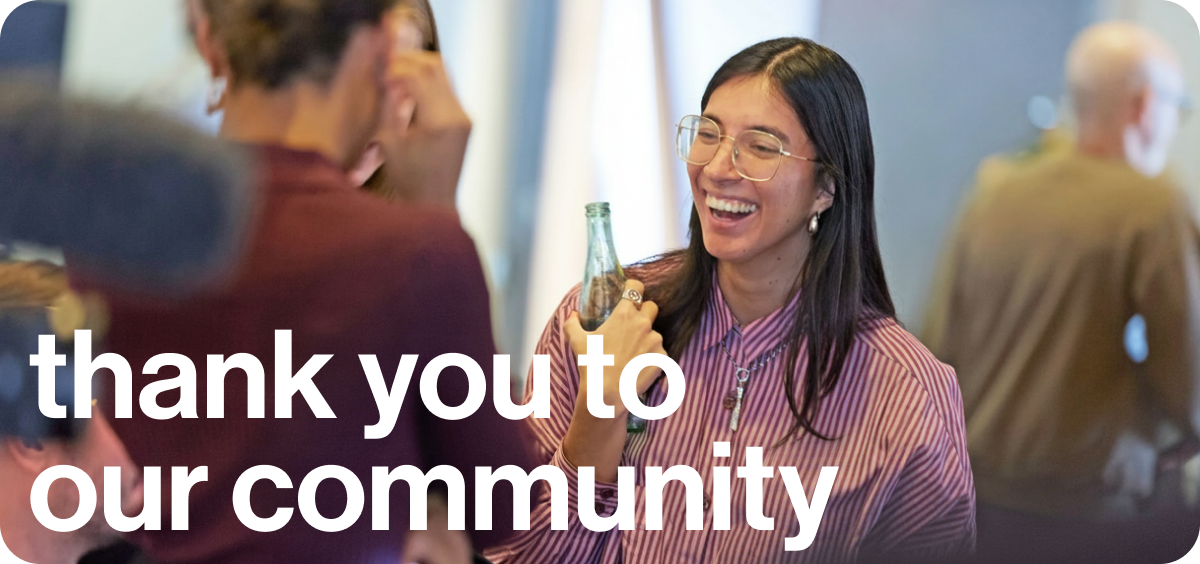
At our user conference, teams traveled from around the world to share what they’ve built and learn from each other. Watching our customers grow and work together to create great content is what we’re here for.
Creative production is evolving and we are committed to creating the foundation on which brand teams everywhere can build advanced processes, connect their entire organization, and deliver on the promise of generative AI.
Here’s to another year of building together!